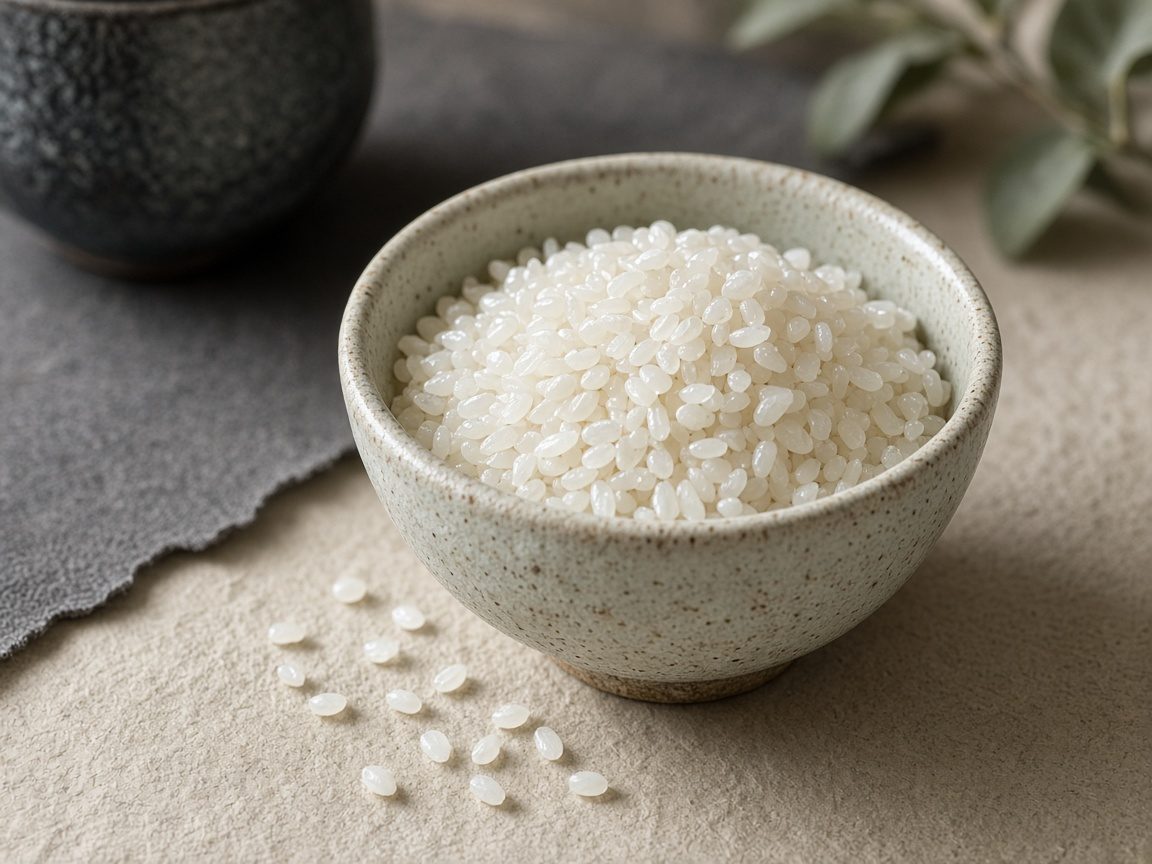
米
Kome · Rice
Sake begins as grain. Yamada Nishiki, Gohyakumangoku, Omachi — each rice holds a different sweetness, a different spine. Polish it, and you decide how loudly the fruit will speak.
The three words
米
Kome · Rice
Sake begins as grain. Yamada Nishiki, Gohyakumangoku, Omachi — each rice holds a different sweetness, a different spine. Polish it, and you decide how loudly the fruit will speak.
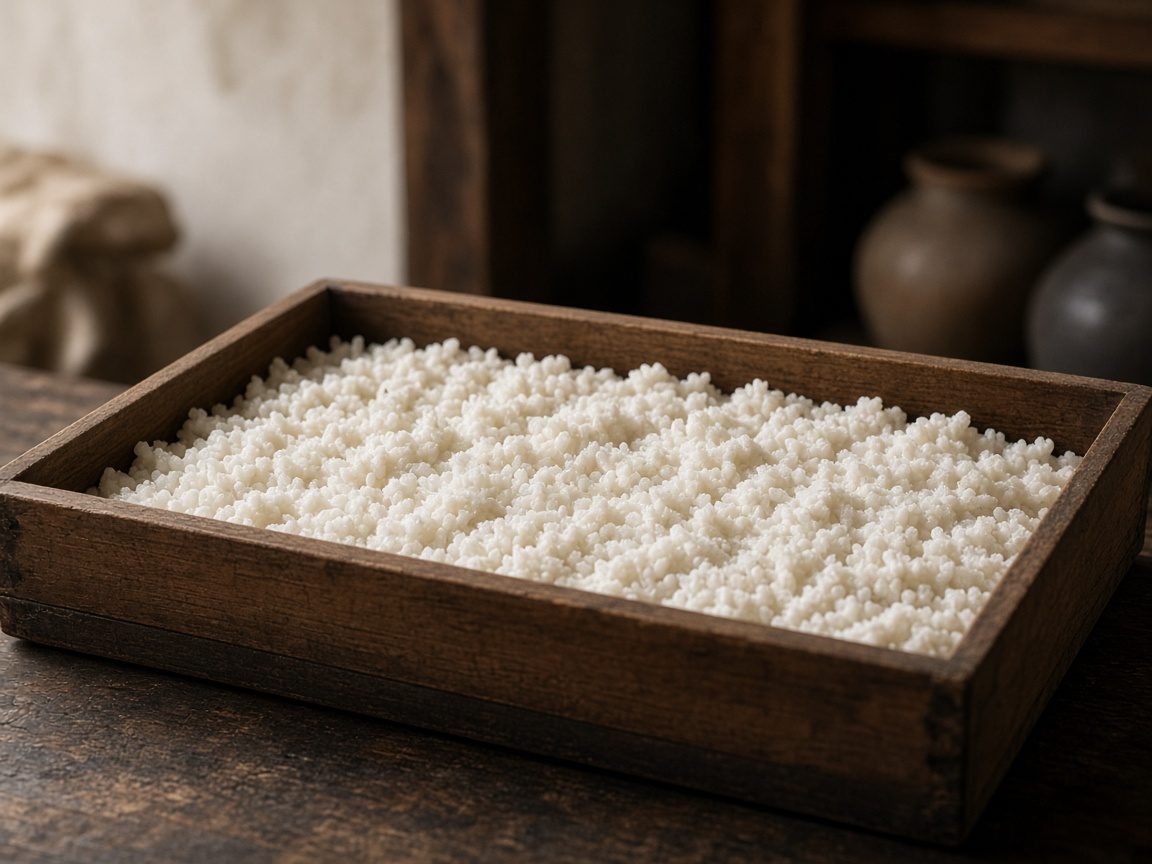
麹
Koji · Koji mold
Koji is Aspergillus oryzae, a living mold — not yeast. Spread over steamed rice, it unlocks starch into sugar. Without koji there is no sake; yeast (kobo) only arrives after this quiet work is done.
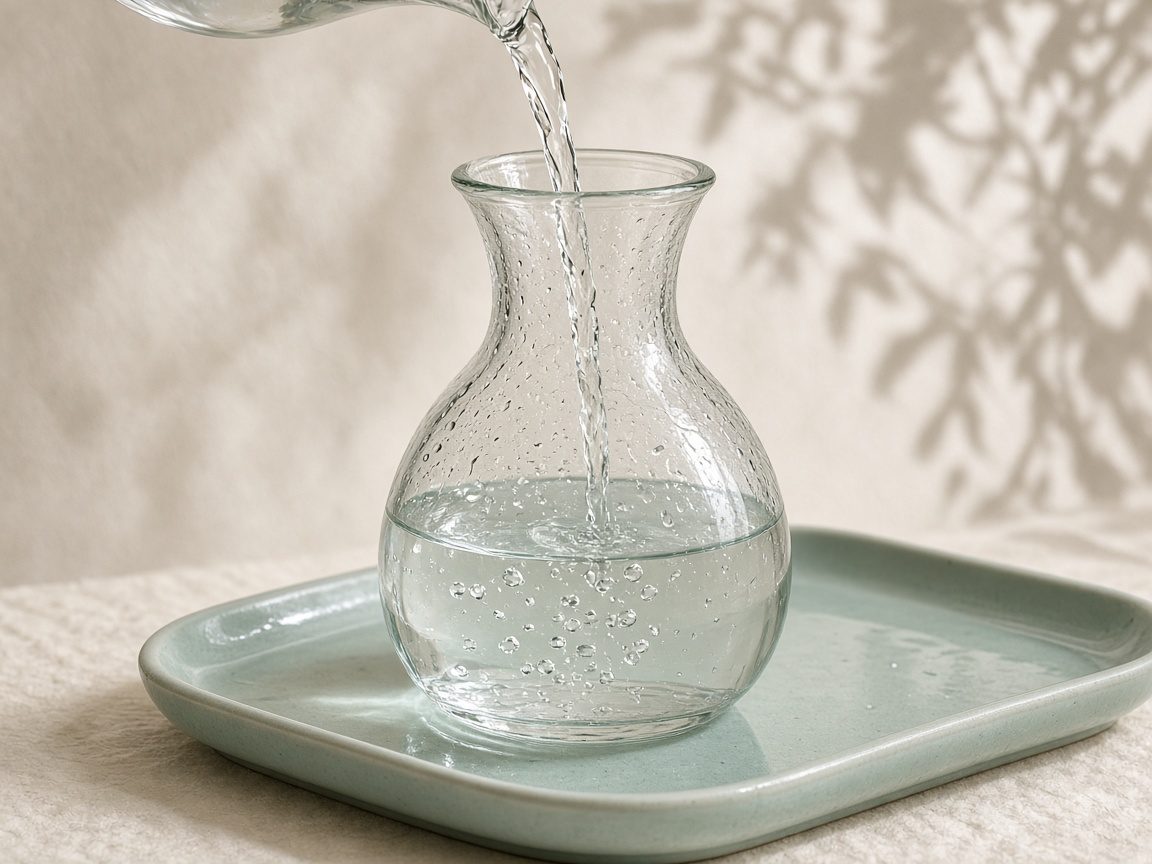
水
Mizu · Water
Most of the bottle is water. Soft mountain water from Niigata or Hyogo shapes a sake as surely as the rice. KOKOMII is named for these three — kome, koji, mizu — and for the glasses they reach, from Hong Kong outward.
From the shelf


Also in the cellar


The houses
The cellar
Ten houses — seventy-nine bottles at original list prices.
Enter
Brands
Ten houses — Juyondai through Ohmine, with Japanese names beside the glass.
Enter
Sake 101
Polishing ratios, grades, and how to pour a quiet glass.
Enter
Pairings
What to drink with hotpot, sashimi, roast chicken, and mango pudding.
Enter


